
CATCH INTELLIGENCE
Pike and catfish data, one lake at a time
Stop guessing where they are. Fish where the data says to look.
You've already mapped your home lake, logged a couple hundred catches, and got a Garmin unit sitting on your console. Generic seasonal tips aren't going to help. Opengarden pulls together actual catch records from your specific water—depth patterns, seasonal trends, the real stuff from tournament anglers and trophy hunters who fish there. Data refreshes every week, not once a year. Pike sitting tight at 22 feet in October? The database knows. Catfish bite flipping from dawn to dusk as the water drops below 55 degrees? You'll spot the shift before it happens. Just signed up? You'll have 600 FS* on your profile from the start. They open the full catch-record database for your water—the weekly depth patterns and seasonal trends—so you can catch a shift like that dawn-to-dusk flip before it costs you a day.
Catch logs mapped to depth
Every pike and catfish you log gets GPS coordinates, water temperature, how deep it was caught and the time. No more wondering which 22-foot zone is actually holding fish. You see what structure type—weed edge, drop-off, flat—produced that catch.
Seasonal migration patterns
Three years of data shows how pike move from shallow weed beds in spring to the 28–40 foot holes mid-summer, then back to 18–25 feet when the water cools. This is your lake's actual pattern, not some generic playbook.
Catfish bite windows
Live shiner success changes month to month. Drop the temperature to 54°F and dawn bites stop working—you need full dark instead. The database has this tracked. You fish when it matters, not when you think it should.
Sonar data integration
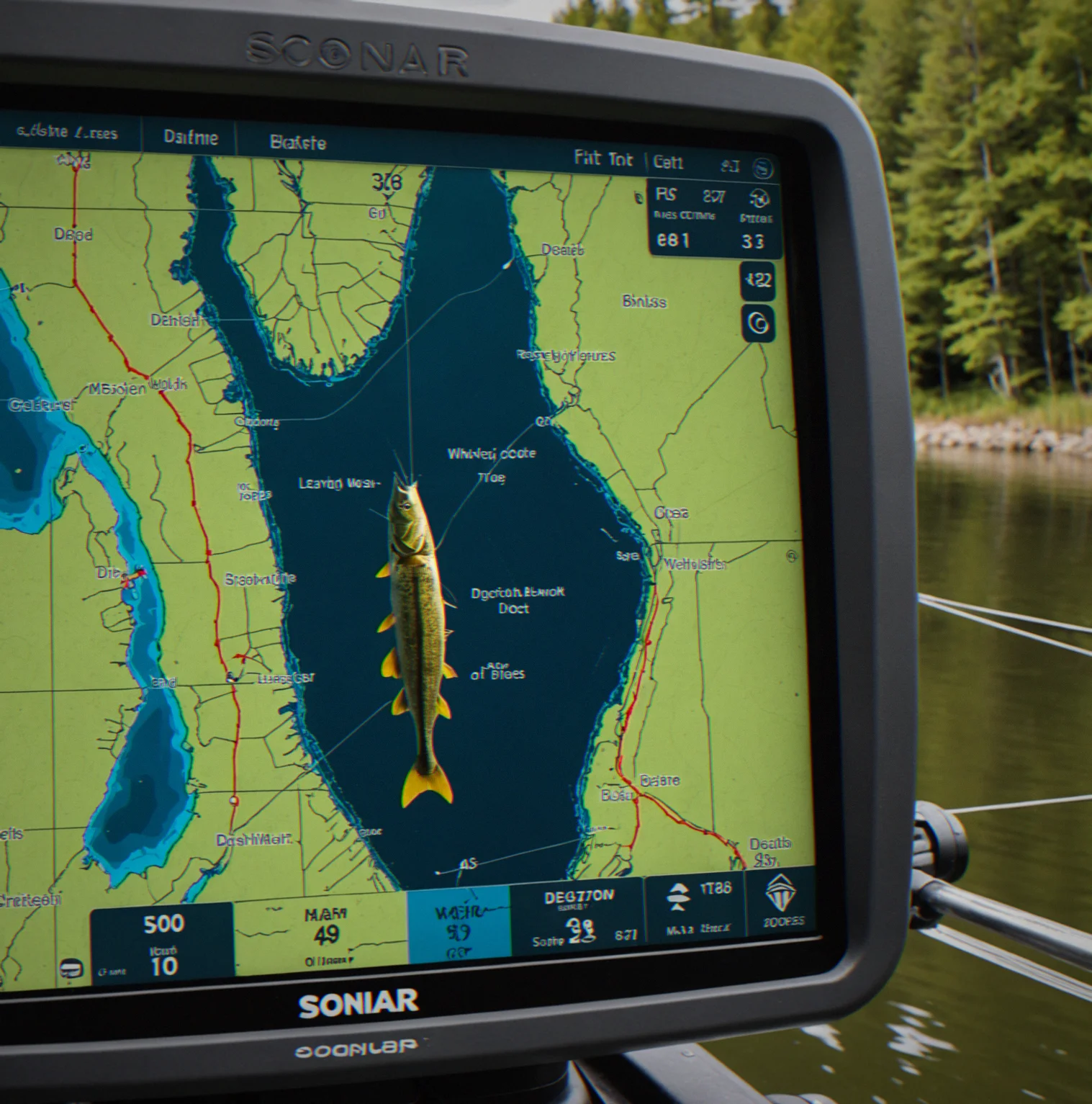
Pull data straight from your Garmin LiveScope or Lowrance. Match your terrain marks against catches other anglres logged on the same water. That 40-foot hole you found either produces or it doesn't. The data answers that before you waste tournament time.
Week-to-week updates
New catches show up daily, lake reports refresh monthly. You're not stuck reading September data in October. You're fishing current conditions instead of last season's patterns because they're all anyone had.
How Opengarden Works
Log Your Catches
Record every pike and catfish you land. GPS location, depth, water temp, time of day, what you threw at them, moon phase—all of it goes in. The database builds up with each entry. You get searchable history for your own trips and other anglers on your lake see the patterns too.
View Lake Intelligence
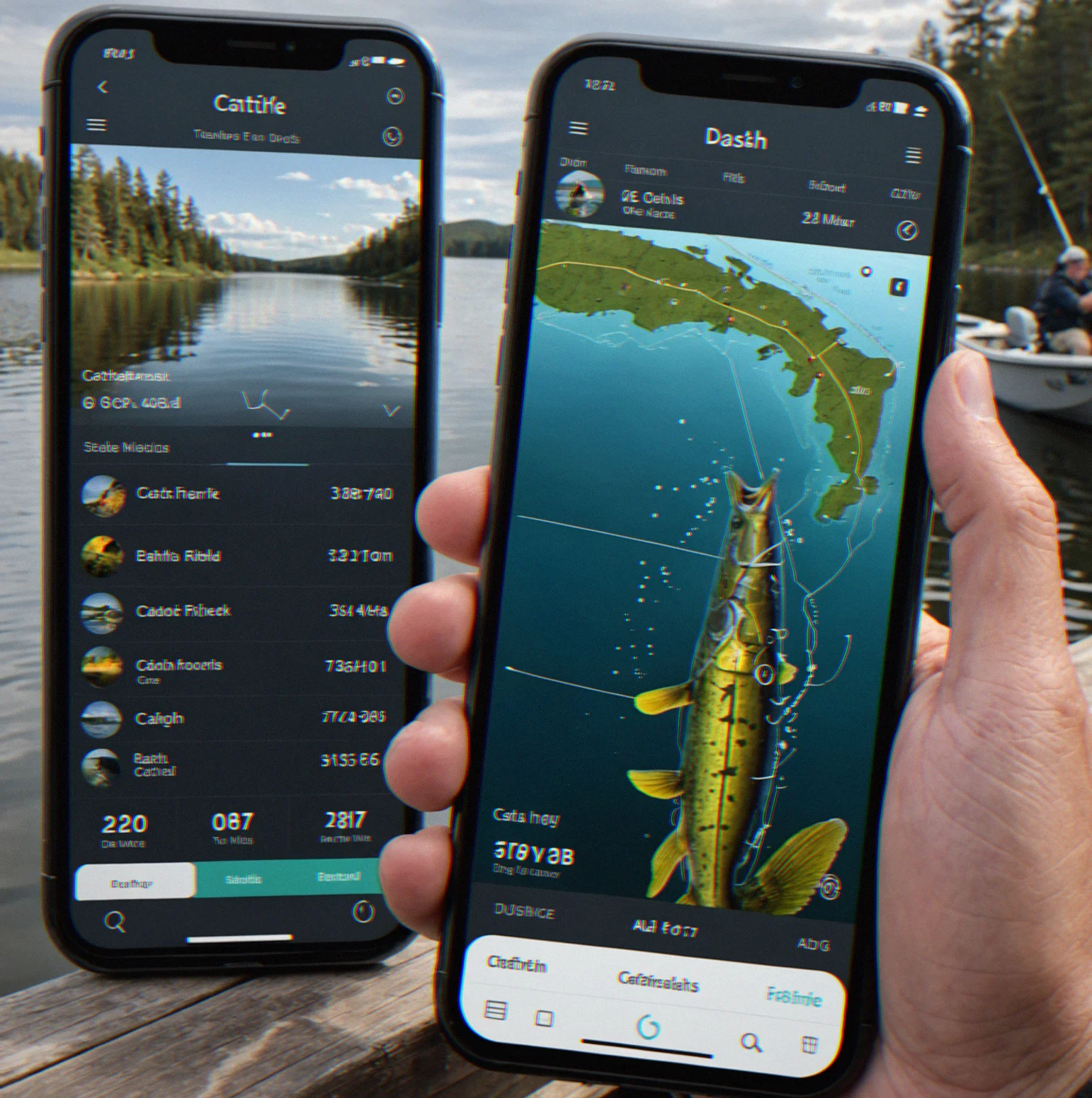
Where are pike sitting right now? Filter by depth, structure, season, or moon phase. You can see exactly where tournament anglers landed 40-inch fish last October when the water hit 58°F. No guessing involved. Just real data.
Decode Structure Patterns
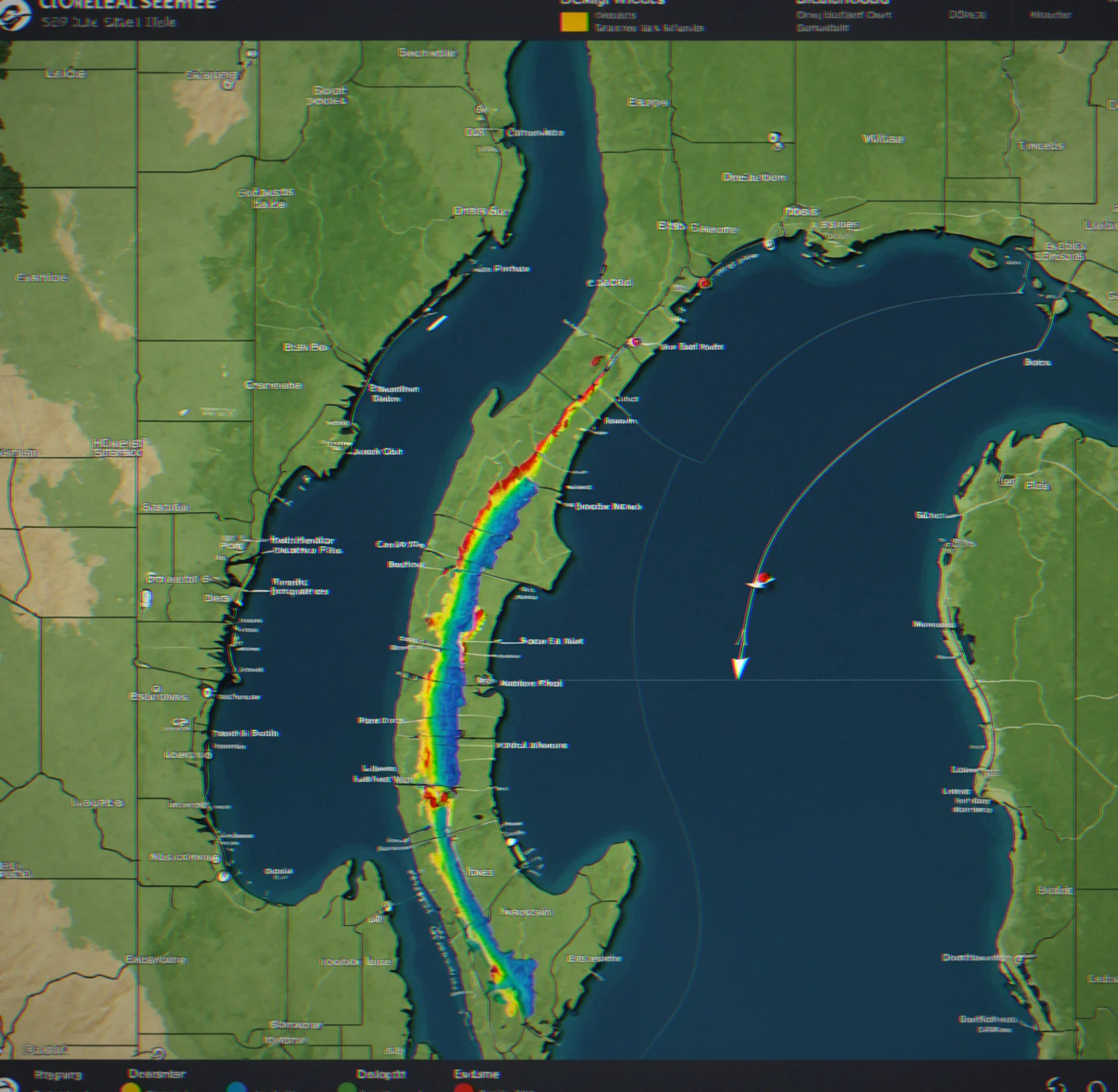
Pike don't stay put. Your lake's population might move from 18-foot weed edges to 32-foot drop-offs when summer hits. Three years of catch history shows you the exact timing and which structures hold fish in each season. Stop wasting time on dead zones and fish where the pattern says they'll actually be.
Catfish Bite Windows
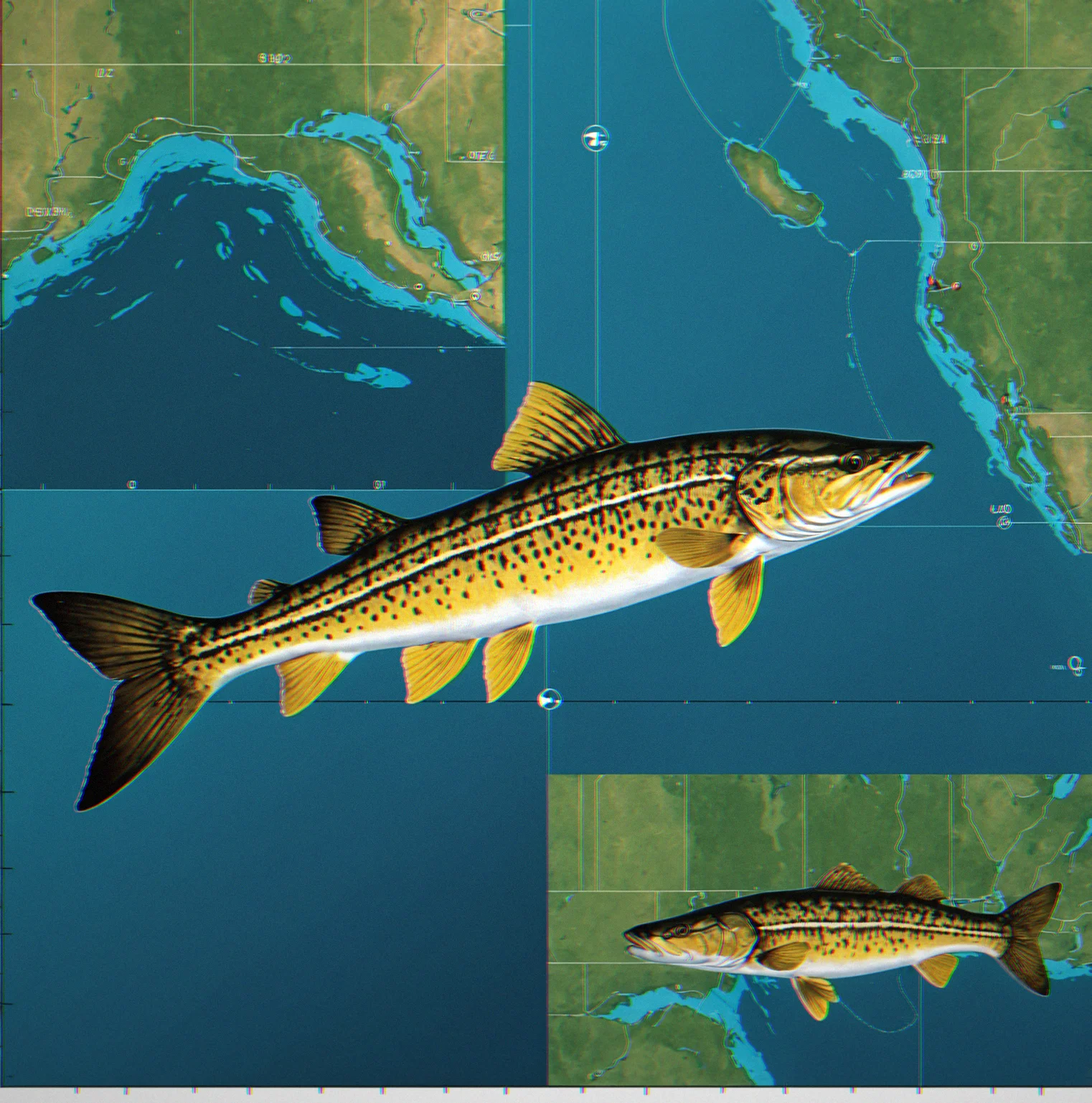
Dawn bites die in October. Temperature drops below 55°F and catfish move to full dark. The database tracks when live shiners work, which baits they prefer, and what hours actually produce month by month. You fish dawn when it's on and switch to dusk when it's not.
Sync with Your Electronics
Pull sonar marks straight from your Garmin LiveScope or Lowrance. Match your terrain scans against catch data from pepole fishing the same spots. That 40-foot hole you marked last week—hunters already know if it's worth your time.
Get Weekly Updates
Catches show up daily. Monthly reports refresh on their own with trends, depth breakdowns, and migration data. You're fishing what's happening now, not last season's info because nothing else exists. Everything stays current.
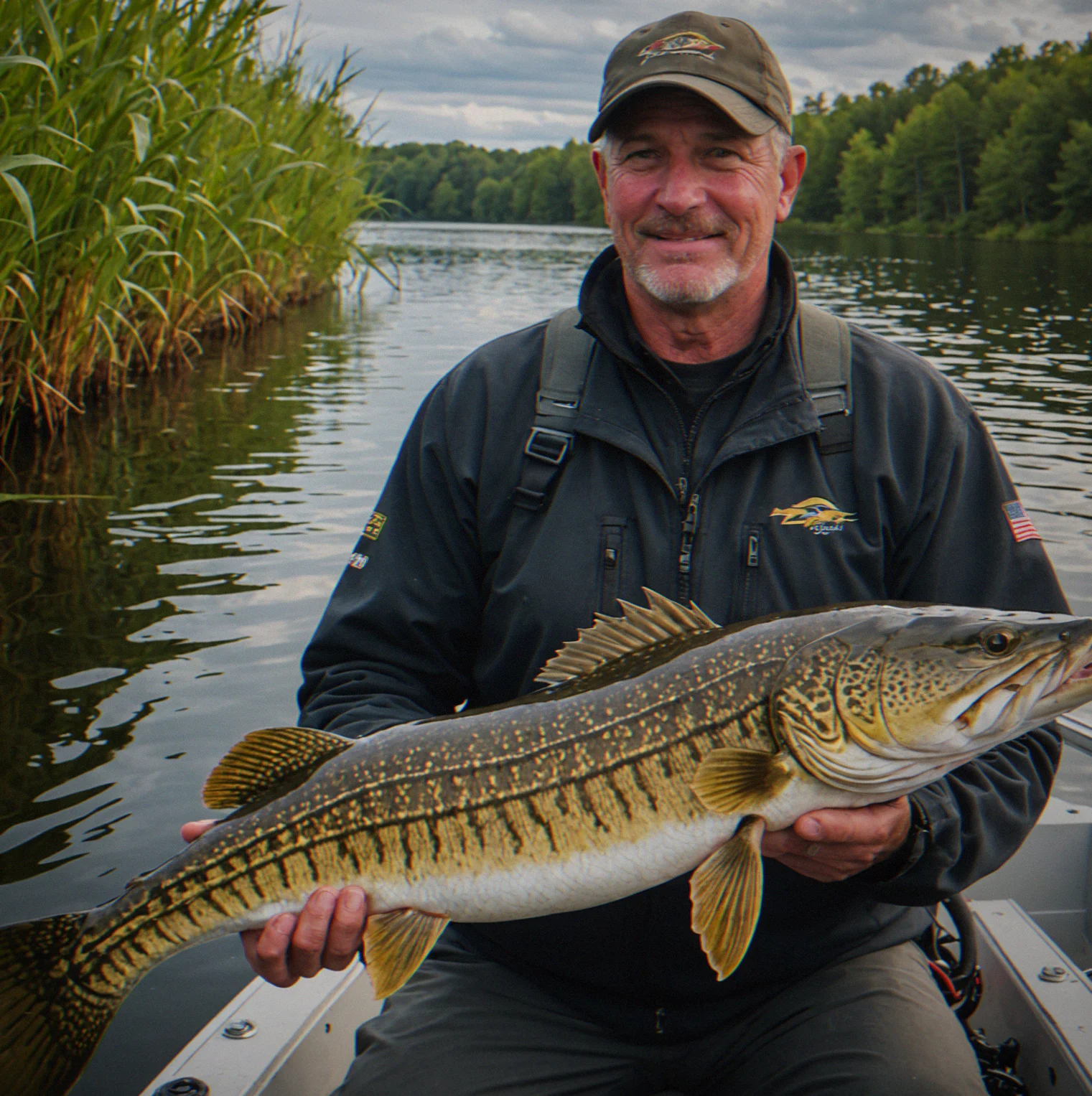
Angler holding a massive pike just over 40 inches that he pulled up near some weeds in pretty deep water
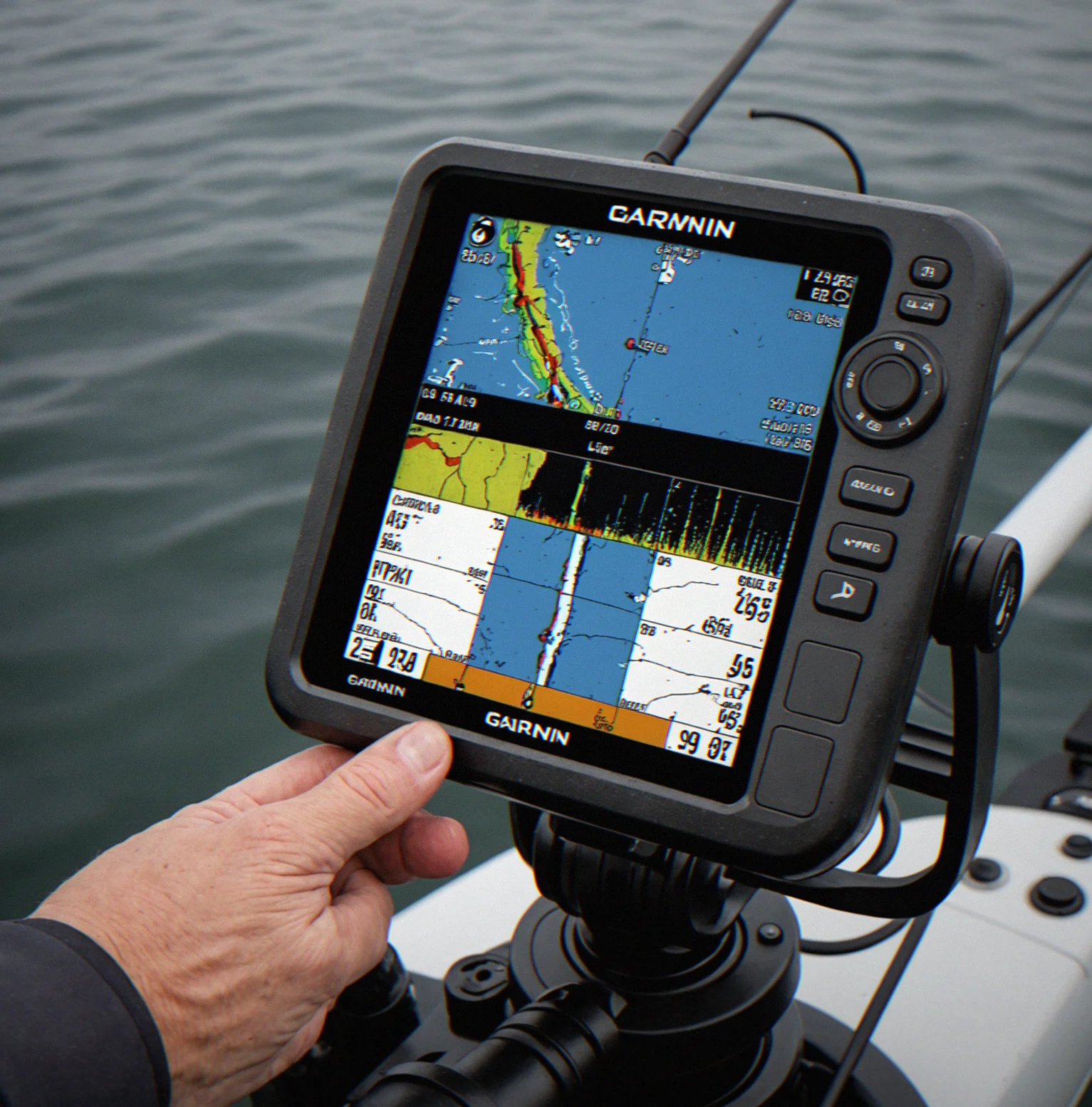
Garmin LiveScope sonar showing a pike just sitting there above a drop-off, real-time tracking and all
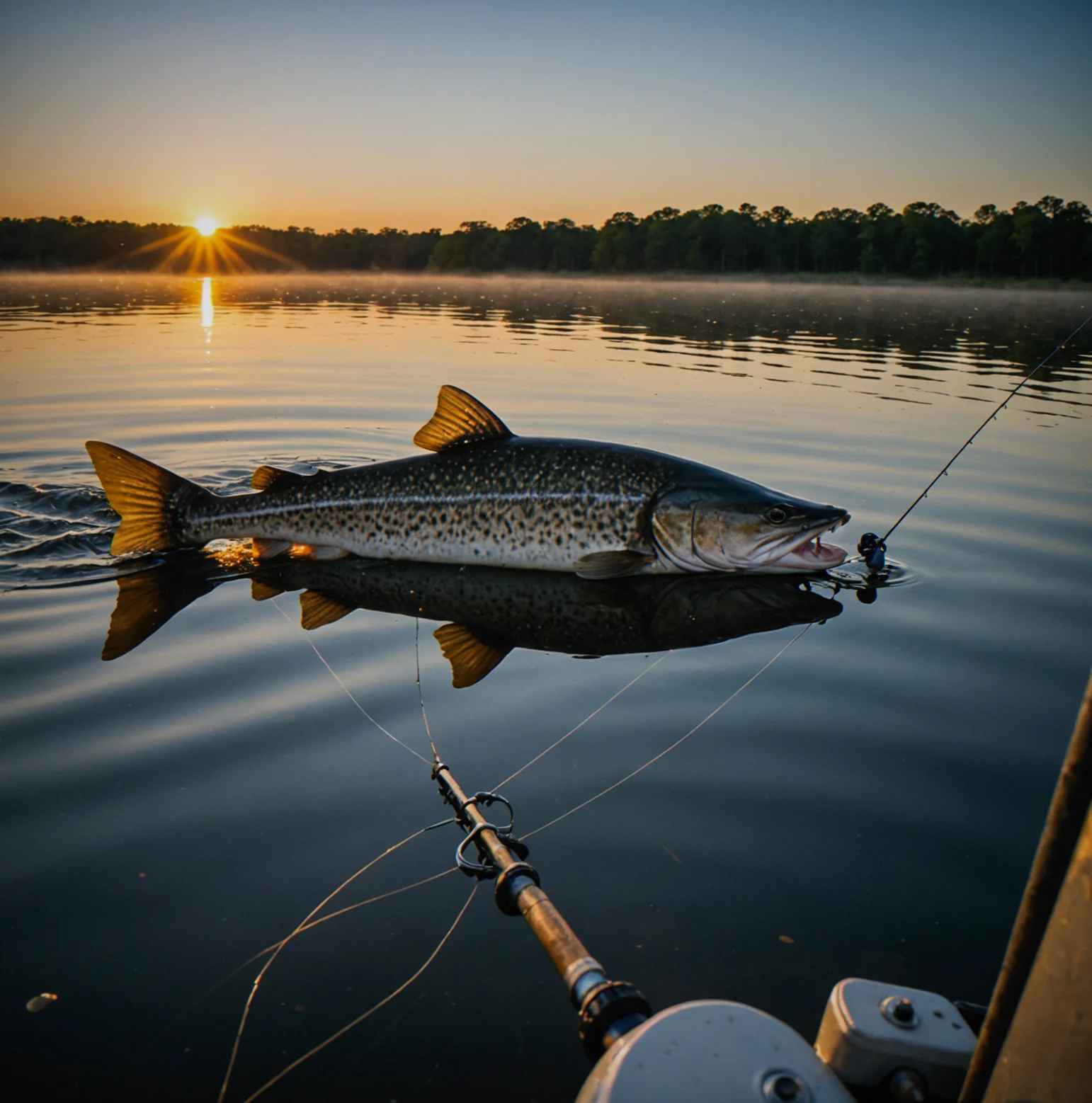
Catfish fishing at sunrise with live shiners as bait on the flats near a deep hole, barely any light yet
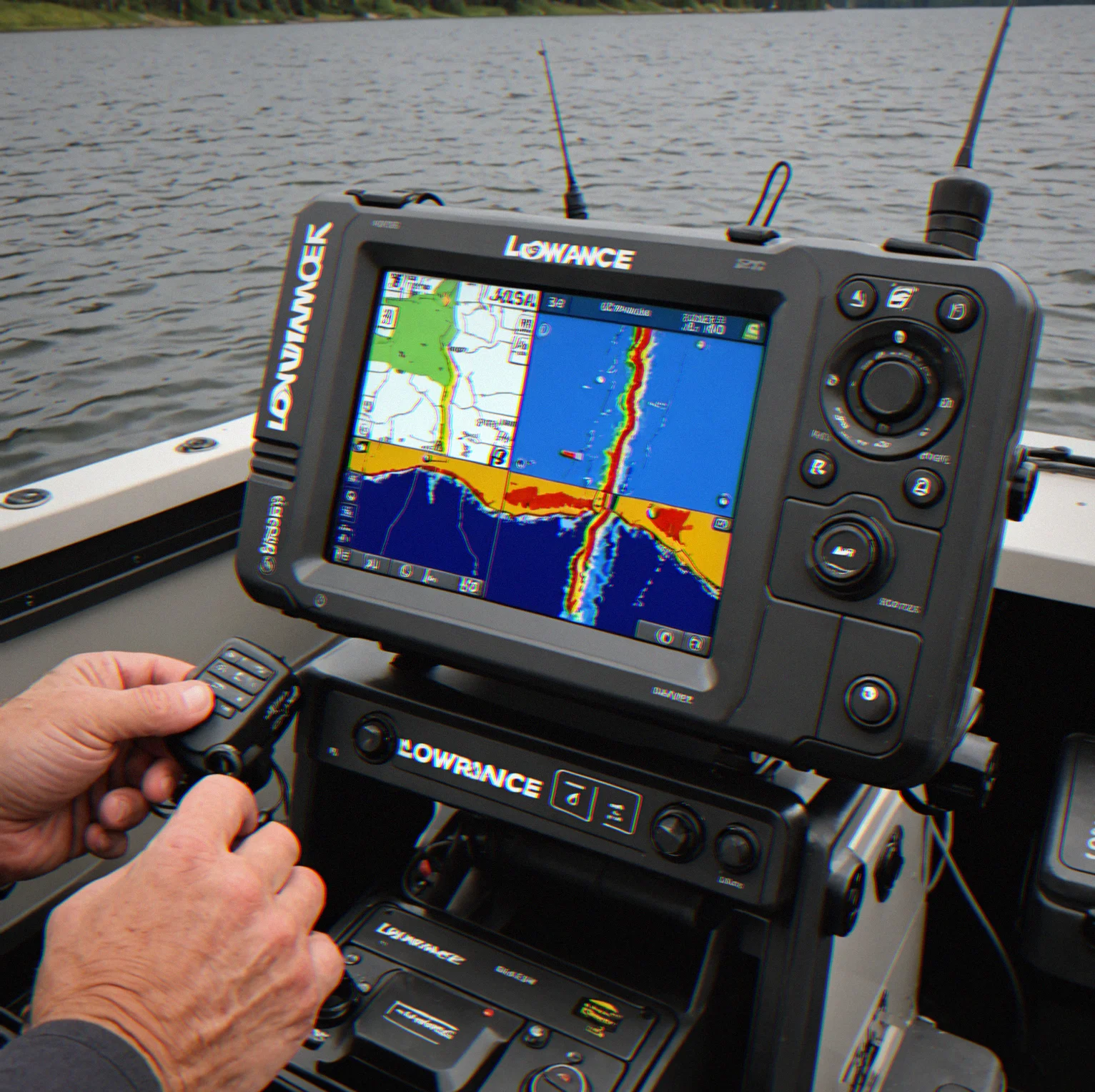
Lowrance display mounted on the console showing the lake bottom with structure marked and previous catches noted
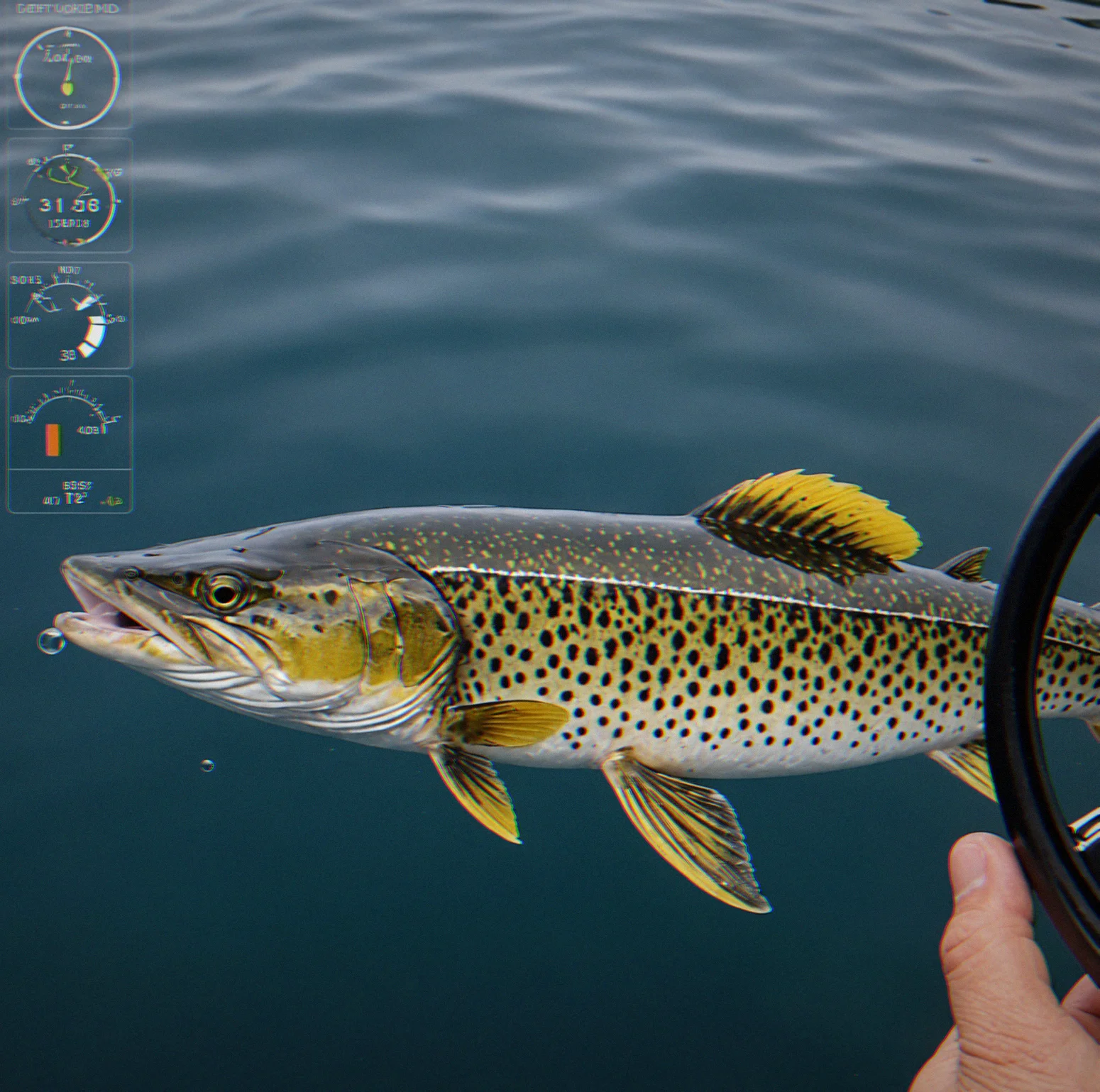
Catch log showing the coordinates where you got it, water temp around 56 degrees, depth just under 30 feet
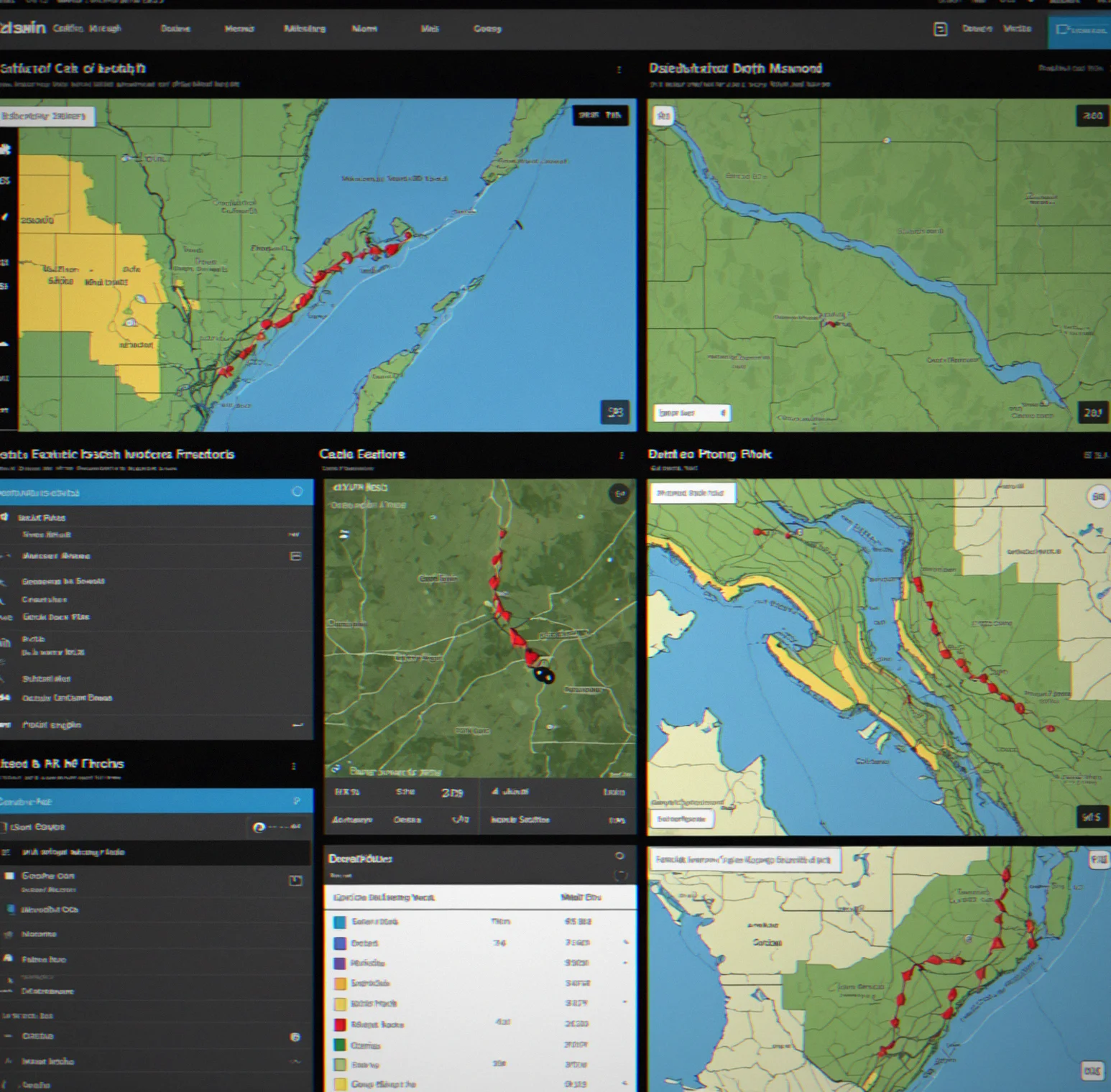
App screen showing what's been happening on the lake over the past month, catch patterns across different depth zones
What Actually Gets Caught Out There
Every week, tournament guys and trophy hunters are logging their catches on their home lakes. This is what that data looks like when you pull it up. You get to see how fish relate to depth, temperature, the structure they're holding on — everything connected.
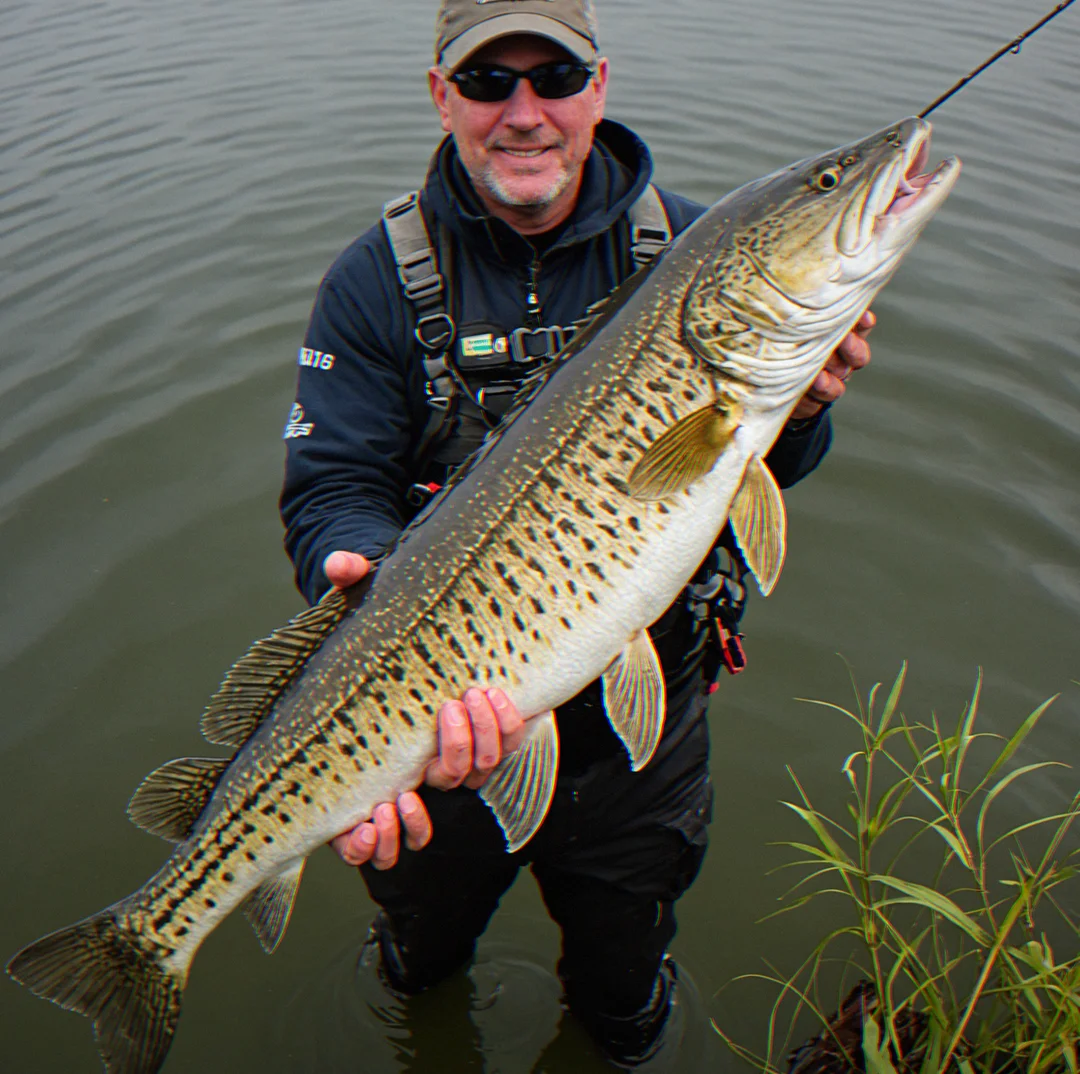
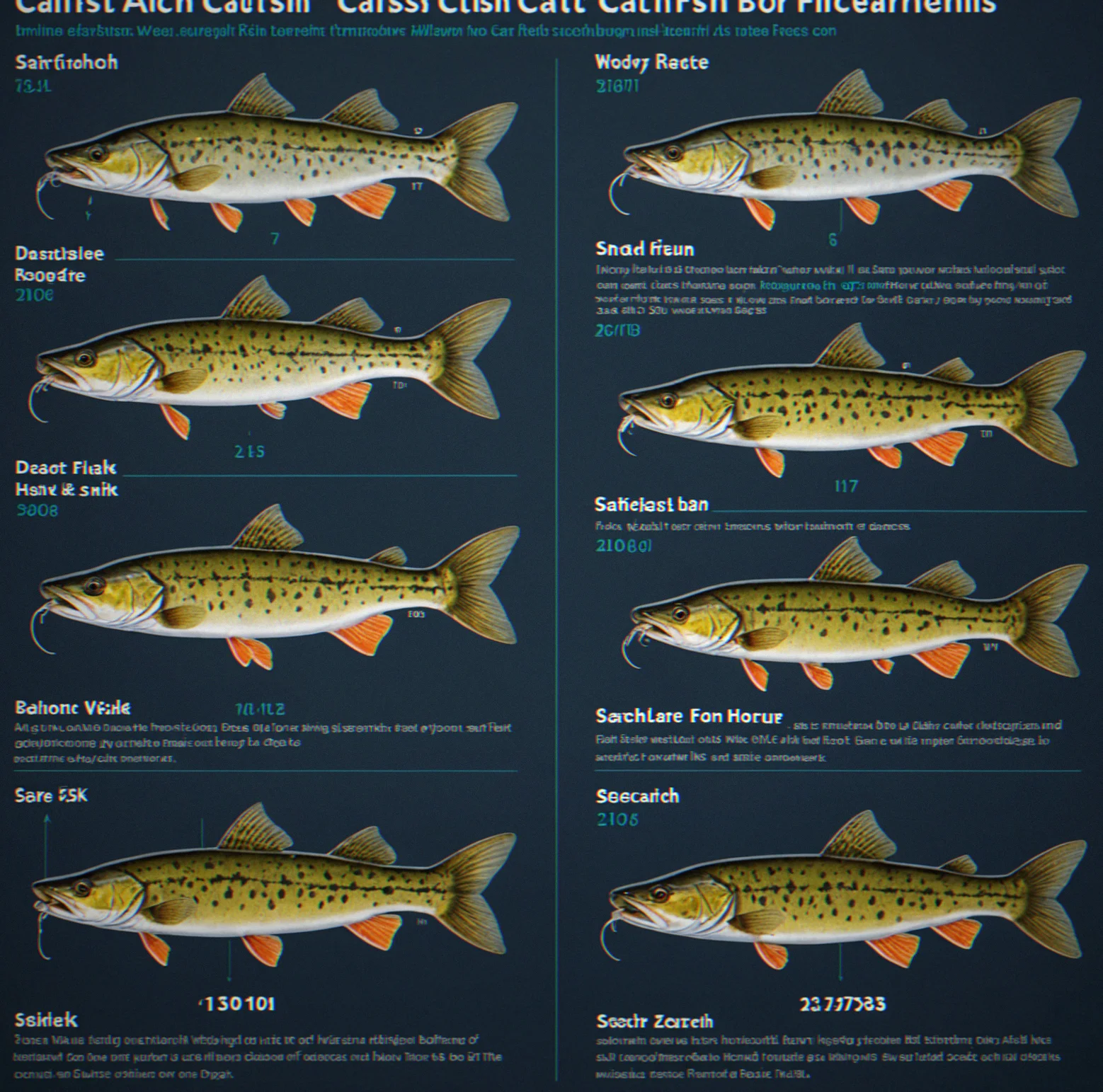
A 38-inch pike pulled from a weed edge at 22 feet deep, GPS marked, water sitting at 61 degrees
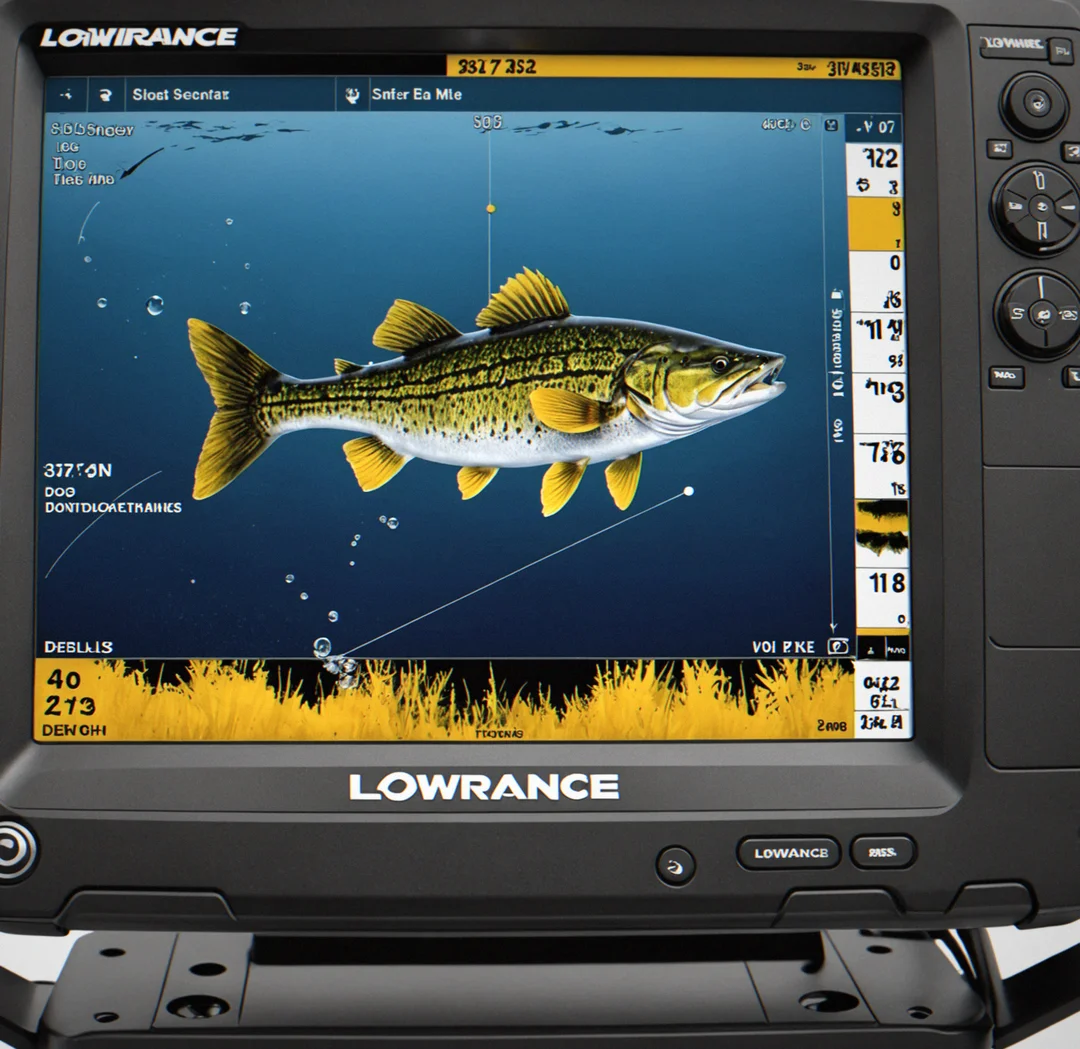
Lowrance screen showing a drop-off at 28 feet with three pike signatures right on the structure
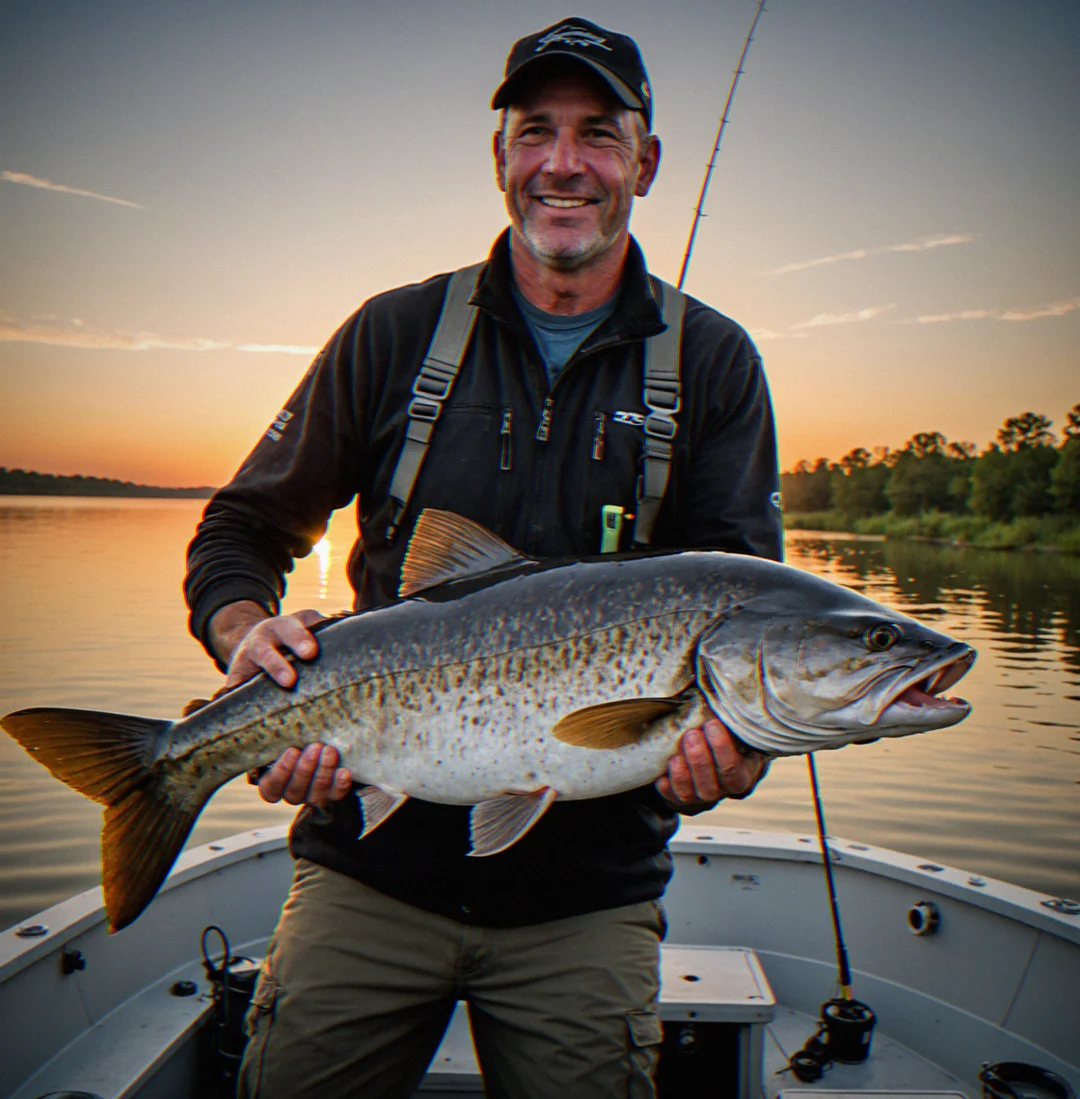
31-pound catfish caught at first light on a live shiner, 54-degree water, bottom depth recorded
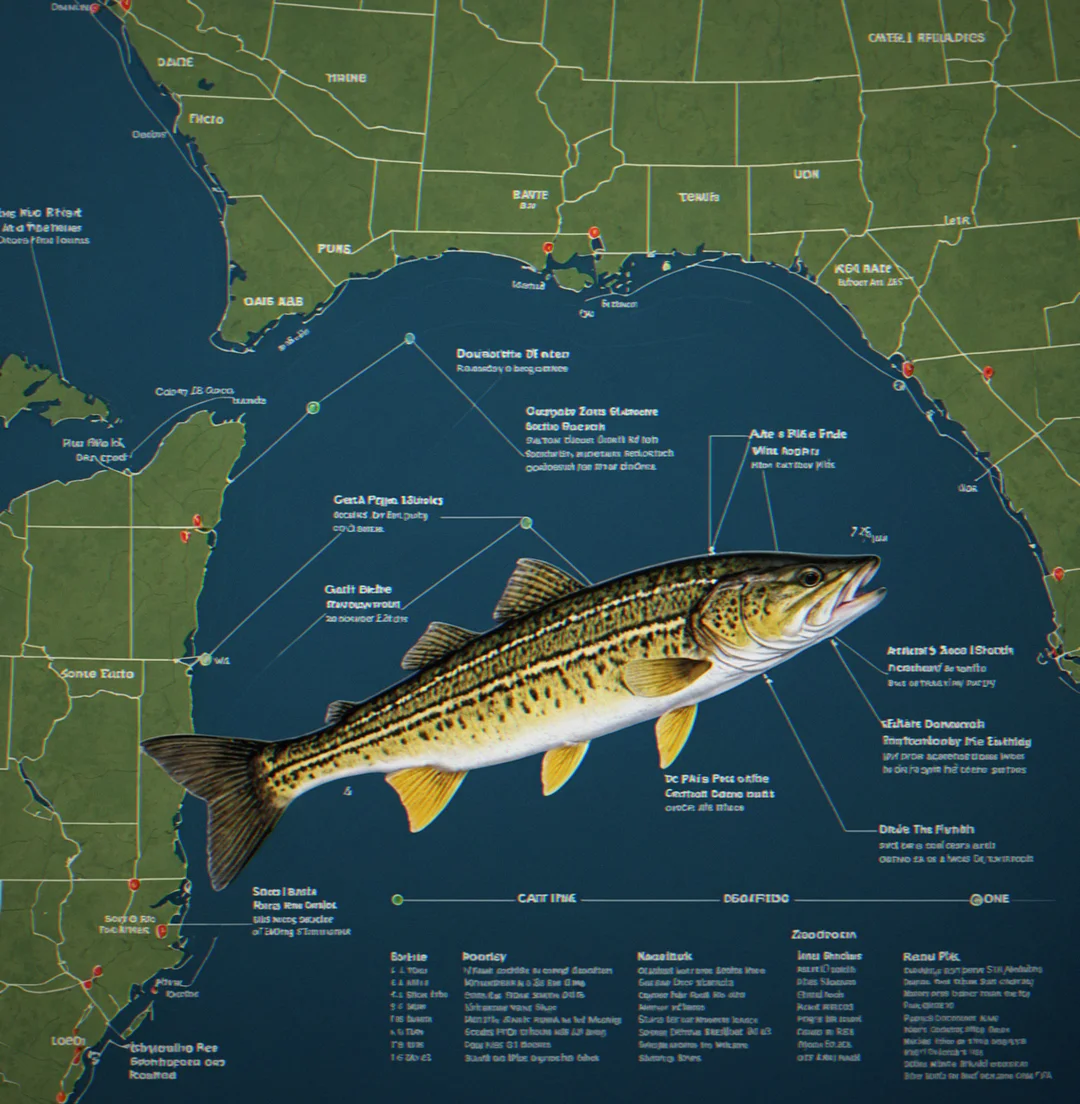
Lake report breaking down catch frequency by depth zone across the whole year — that's the kind of pattern you need
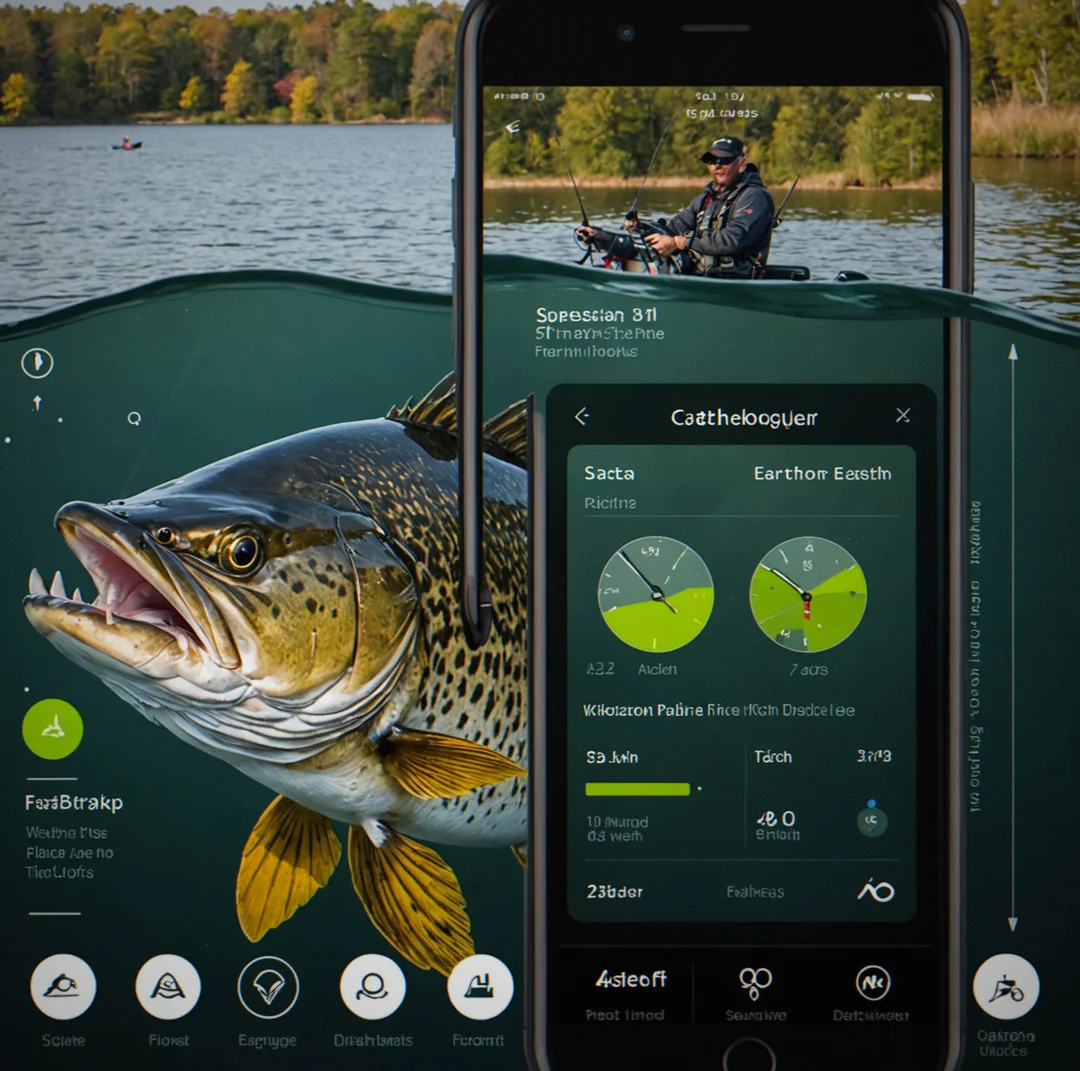
Catch entry screen on the app with spots for srtucture type, what lure worked, moon phase, exact time
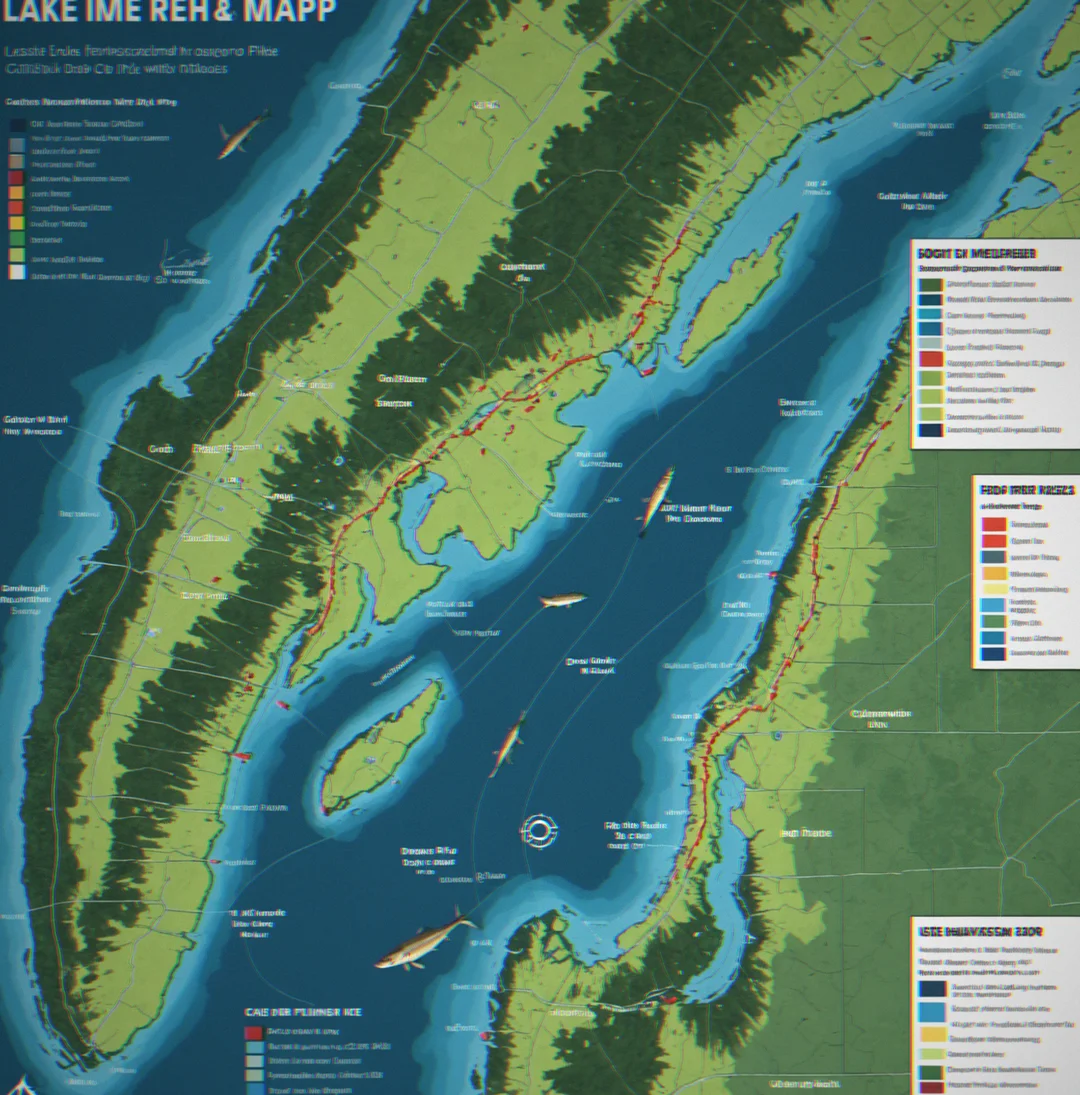
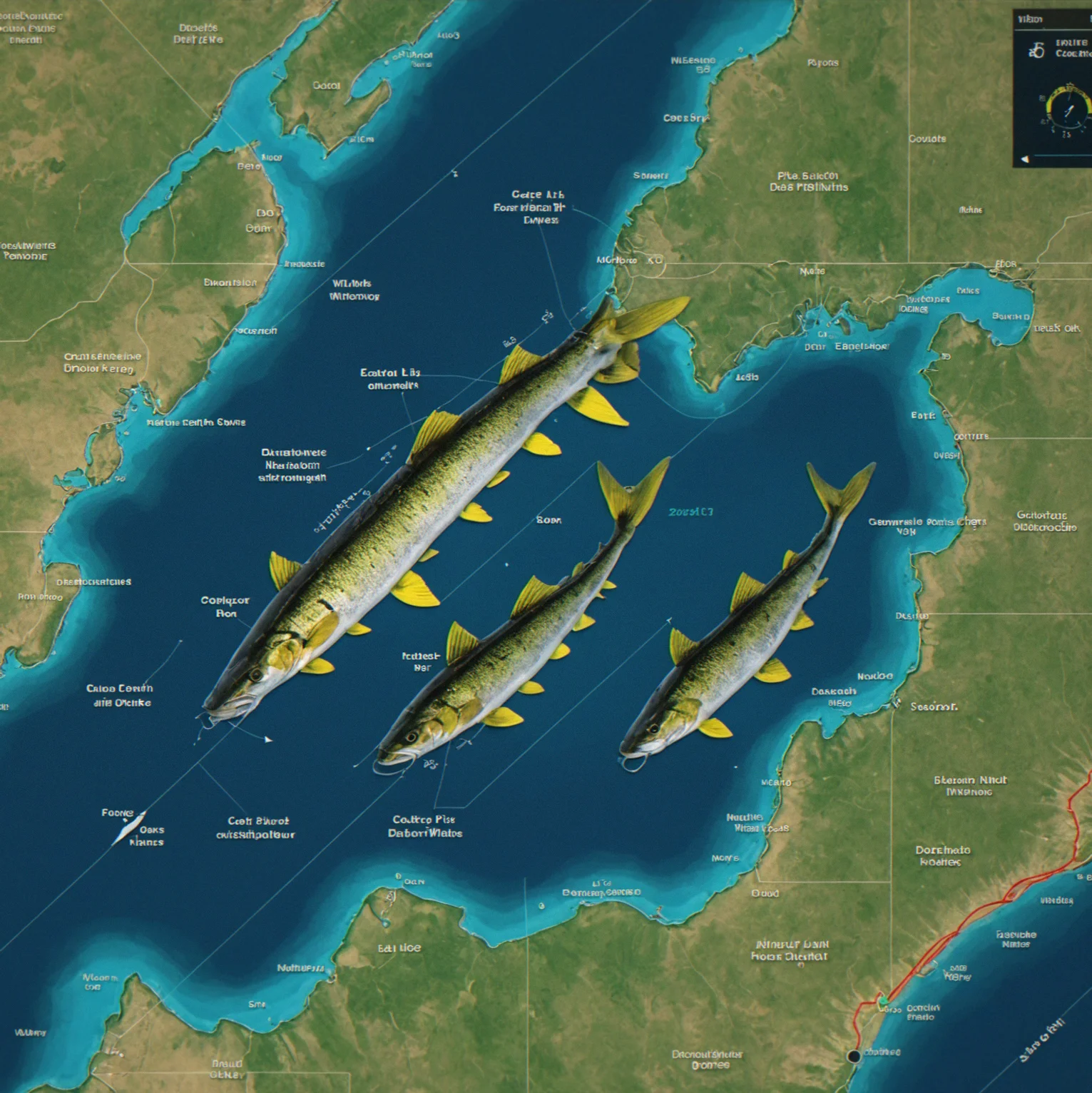
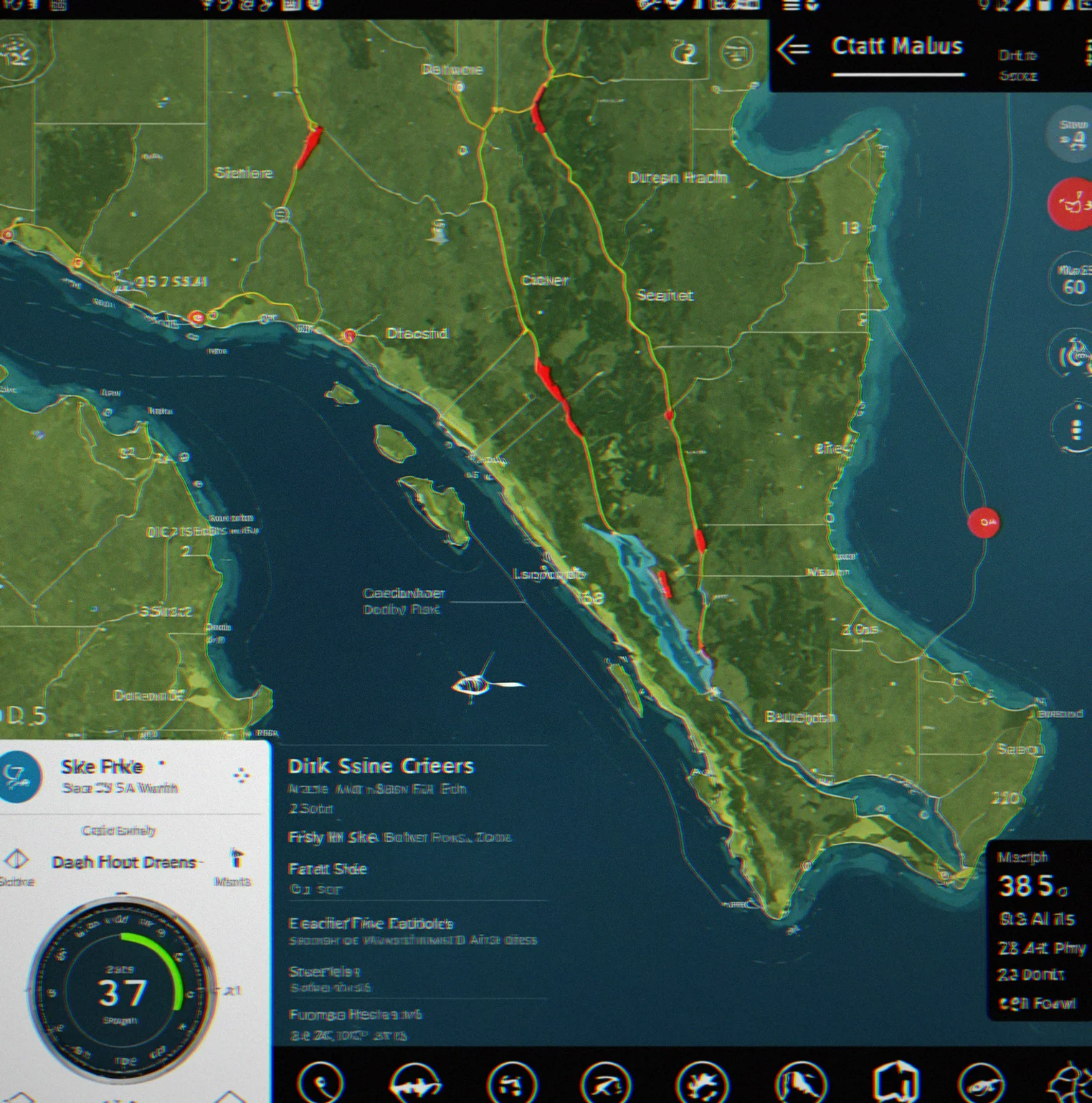
Lake map with cacth markers color-coded by species, showing where pike are scattered across shallow and deep zones
Over 340 lakes mapped and more coming
We've got coverage across the Midwest and Northeast, heavy on pike and catfish waters. New lakes go in every month when anglers ask for them. Chances are your home water is already there. If it's not, get 10 people to request it and we'll add it within two months.
Catch records tied to exact depths
Every pike and catfish catch gets logged with the depth it was caught at. Pike hanging around 18 feet in October? You'll see it in the data. Filter by depth bands and figure out what's actually working this week instead of guessing where the fish went.
Actual seasonal migration patterns
Three years of catch data shows you how fish move through your specific lake. Weed beds in spring, deep strcuture in summer, shallow water when fall hits. The pattern is real and specific to your water, not some textbook theory.
Which baits work with which conditions
Catfish react differently to live shiners, shad, and bluegill depending on the month and water temperature. The database tracks which baits correlate with 25-pound fish versus smaller Ones. You'll know what to tie on before you even cast.
QUESTIONS
How Opengarden Actually Works
You've got gear in the boat and years on your home lake. Before you log in, here's what matters about the database.